Textbook Talks

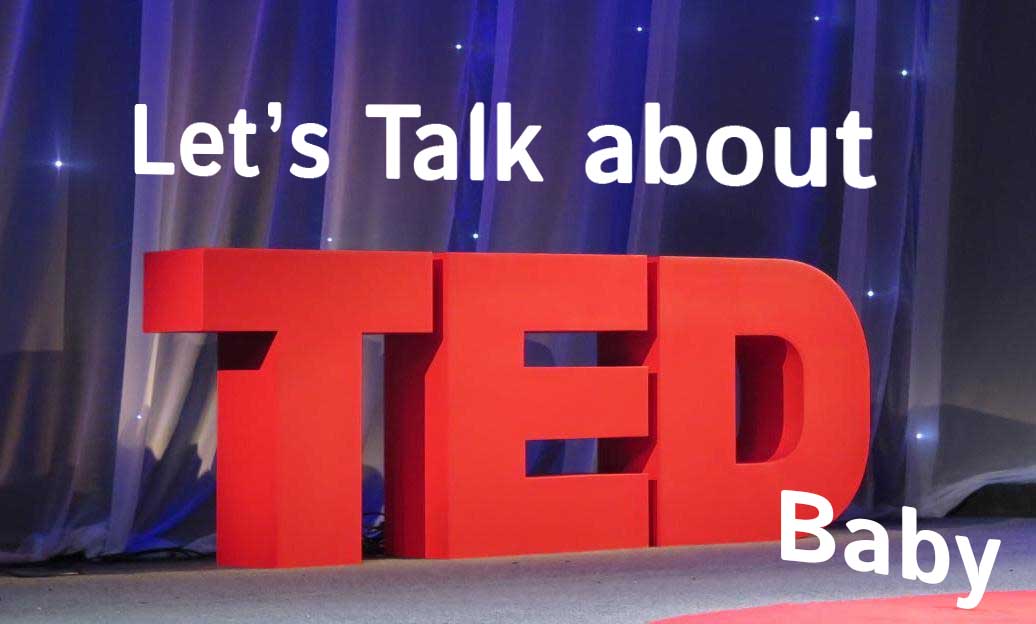
This women is firing pearls with an Uzi. The video below is about how to do a good TED talk, and present it in the best possible way. Presenters and producers should be able to glean allot from it. Enjoy.

Below is one of the TED videos I shot and edited. This is an example of the hardest one I had done. Despite issues out of our control, like lighting design, this speaker had too much words over too many images all at the same time. So the choice for the editor, me, was to show either the presenter or the images….. or both. The people at TED hated this cut, and I honestly do not blame them. It simply does not have the look and feel of a TED video. But the lesson learnt was this:

A TED talk must start as a TED talk to end up as a TED Talk.

(I’m talking about visualization and planning, in case you missed the point.)

Mind Snack

There exists, in this magical era of technology, great tools for creatives. Yet, the barrier to entering the market, in cost and learning curve, have caused over-saturation in the market. The only way to get ahead of the pack, other than working harder (and that is a good thing), or being better than the rest (also a good thing), is more, /better and /intense marketing. Even if you work harder, thought, and are better at what you do, it does not help you much if no one knows about your skills. But focusing on any other aspect of your art or trade steals you away from doing that which you love. What if there is a better way? What if you can work along with your competition instead of against them.

In a practical sense, marketing effort and the mundane things, like admin or training can easily be co-opted. Co-opting is great for cross-exchange of information and technique. Co-opting is great for apprenticeships, market stratification and accreditation. The best value add is giving your client the peace of mind that there is a support structure in place. Hell, it might even help you to sleep better at night.


Words are Hard

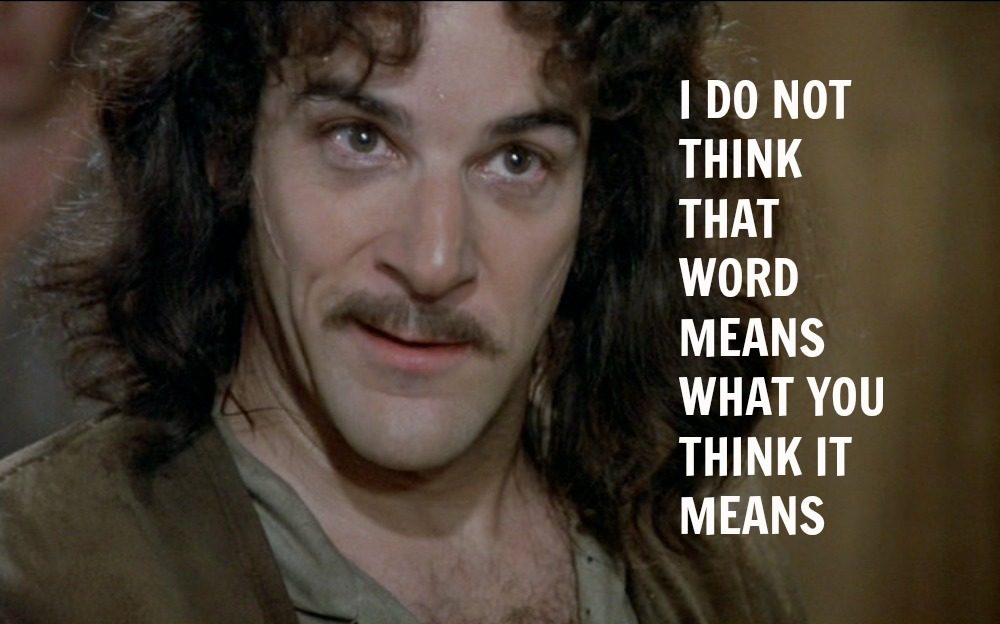
“Paradigm” is one of those interesting words.   The ascribed meaning of the word”paradigm”  drifted so far away from the intended meaning that it lost it’s potency. 

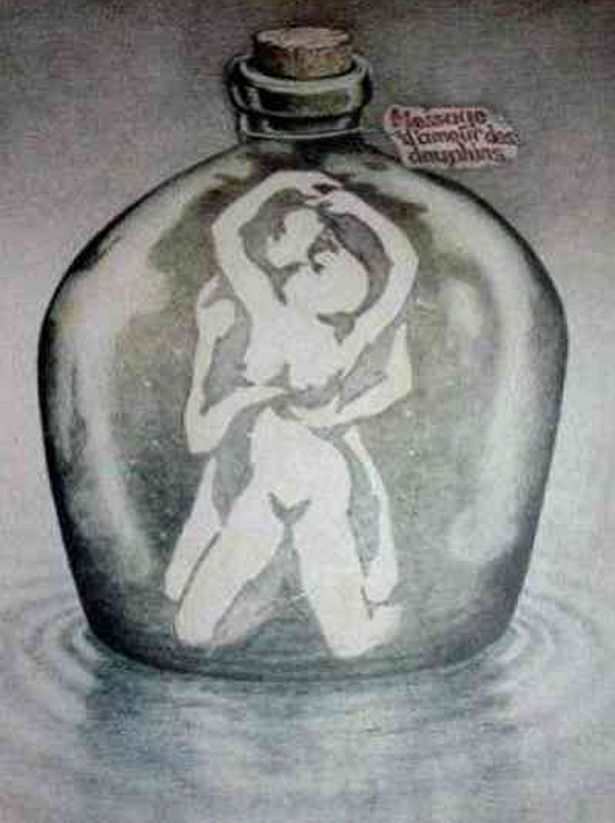
Originally a paradigm was a form of an optical illusion.  We’ve all seen the pictures of the old grandma with the big nose, but when pointed out to you, you see a young lady with a fur coat.  This example below is particularly interesting: 

When showing this to my 7 year old she saw the dolphins and she tried to count how many there are.  My 12 year old saw two people doing a modern dance…what ever that means.   The most fascinating thing about paradigms, as stated earlier, is that you can understand the surrogate meaning better by knowing the intended meaning.   

Signal and Noise

In media we work with the concept of signal to noise.  Expressed in a ration like 1:3.  It describes the ratio of useful info in relation to nonsense.    Photographers will think of this as the subject against the background.

The Shift

Paradigms, unlike other optical illusions, interchangeably uses the signal as noise and the noise as signal.  Consider the example above.  When you see the dolphins, the “dancers” becomes the background.  When you see the “dancers” the dolphins becomes background.  Your mind refuse to put both on the same plane.  It snaps almost like magnets does.    The “paradigm shift” is when you mind switch from the one to the other.  

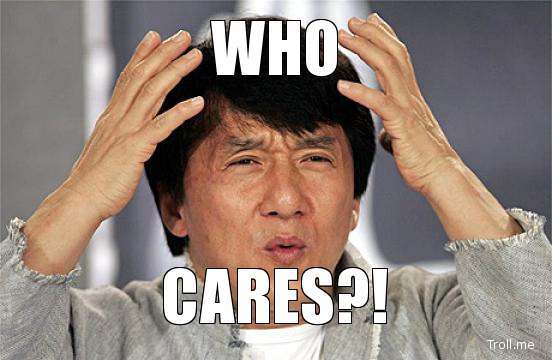
So Who Cares?

Knowing the true meaning of the word paradigm and knowing the origin in philosophy, helped me tell the forest from he trees. Even more so having the clear illustration of a picture that your mind can only see or not see depending on the context.

The take-away? Context is as important as content.