
Becoming Disruption-Proof

Navigating the Ever-Changing Landscape

In the world of business, disruption is inevitable. Just take a moment to reflect on how Uber revolutionized transportation or how Netflix redefined entertainment consumption. These are not just isolated incidents but rather emblematic of a larger trend in which industries are constantly being reshaped by innovative technologies and business models. In the tech sector particularly, disruption isn’t feared; it’s celebrated. However, for individuals and businesses aiming to thrive in such an environment, the key is to become disruption-proof.

podcast live stream

Understanding Disruption

Disruption isn’t just about shaking up an industry; it’s about fundamentally altering the way things are done. Uber didn’t just offer a more convenient way to hail a ride; it completely transformed the concept of transportation services. Similarly, Netflix didn’t merely provide an alternative to DVD rental stores; it pioneered the era of on-demand streaming, reshaping how we consume entertainment.

The Traits of Disruption-Proof Entities

To become disruption-proof, one must embrace certain qualities:

  1. Agility : Being able to adapt quickly to changing circumstances is crucial. It’s not about sticking to rigid plans but rather being responsive to shifts in the market and consumer behavior.
  2. Readiness to Pivot : Recognizing when a change in direction is necessary and having the courage to pivot accordingly is essential. This might involve altering strategies, entering new markets, or even reimagining the core business model.
  3. Resource Optimization : Being resourceful is key. It’s about maximizing the potential of existing assets, whether they are physical resources, skills, or knowledge, and finding new ways to leverage them in a disrupted landscape. Examples of Successful Pivots

video media

In the media industry, disruption has been particularly prevalent, but so have successful pivots. Consider the following examples:

  • The New York Times : In the face of declining print readership, The New York Times successfully transitioned to a digital subscription model. By focusing on quality journalism and offering unique digital experiences, they not only survived but thrived in the digital age.
  • BuzzFeed : Originally known for its viral listicles and quizzes, BuzzFeed recognized the shifting media landscape and diversified into news, entertainment, and even investigative journalism. This pivot allowed them to remain relevant and expand their audience.
  • Instagram : Originally launched as a location-based check-in app called Burbn, Instagram pivoted to focus solely on photo-sharing when they realized the popularity of that feature. This decision ultimately led to Instagram becoming one of the most influential social media platforms globally. Conclusion: Embracing Disruption

In a world where change is constant, becoming disruption-proof is not just a luxury; it’s a necessity. By cultivating agility, embracing change, and optimizing resources, individuals and businesses can position themselves to not only survive but thrive in the face of disruption. So, dare to try new things, be open to pivoting, and remember that in the midst of disruption lies opportunity for those willing to seize it.

video conference

Stoicism for Business

Embracing Resilience and Clarity in South Africa

This is a book that I can not wait to sink my teeth into.  I’m starting on it as soon as I can find it.  Event the title had my mind  populated with ideas on the topic.   In the world of business, where uncertainty and challenges are ever-present, the ancient philosophy of Stoicism offers invaluable insights and tools for navigating turbulent waters with grace and resilience. South Africa, with its rich cultural tapestry and diverse landscape, provides a fertile ground for the practice of Stoicism, offering a unique backdrop against which to cultivate inner strength and clarity.

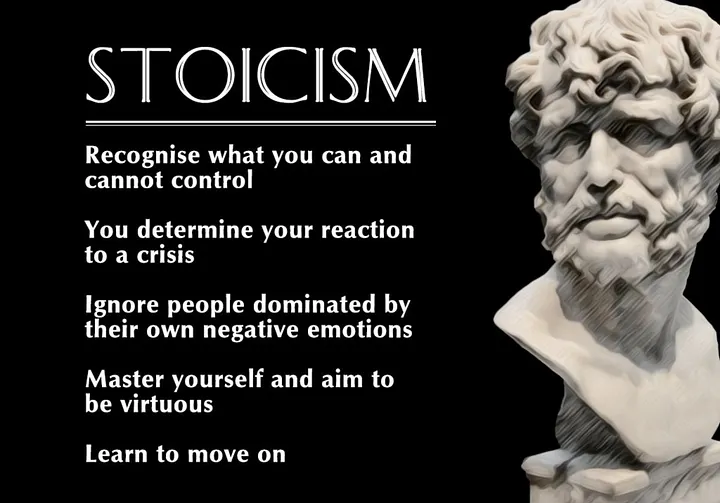
At the heart of Stoicism lies the belief in focusing on what is within our control and accepting with equanimity that which is not. In a country like South Africa, where socio-economic and political dynamics often present formidable obstacles, Stoicism provides a powerful framework for maintaining composure and perspective amid adversity.

One notable resource for delving deeper into the intersection of Stoicism and business is the book “Stoicism for Business” by Robert Steven. In this insightful work, Steven explores how the principles of Stoicism can be applied to the modern business landscape, offering practical guidance on overcoming challenges, managing stress, and fostering resilience.

Steven’s book serves as a beacon for business leaders seeking to harness the timeless wisdom of Stoicism to navigate the complexities of the corporate world with wisdom and integrity. By embracing Stoic principles such as focusing on the present moment, practicing self-discipline, and cultivating a mindset of gratitude, readers can cultivate a sense of inner peace and clarity even in the face of adversity.

One particularly compelling aspect of Steven’s book is his emphasis on the importance of ethical leadership and integrity in business. Stoicism teaches us to prioritize virtue and integrity above all else, reminding us that true success lies not in external accolades or material wealth, but in living a life aligned with our values and principles.

In conclusion, Stoicism offers a profound blueprint for success in the world of business, providing a roadmap for navigating challenges with resilience, integrity, and clarity. In South Africa, where the landscape is as diverse as it is dynamic, embracing Stoic principles can be particularly impactful, offering a potent antidote to the turbulence of the external world.

As Elon Musk famously said, “Good CEOs are readers.” I encourage all our readers to delve into the wealth of knowledge available through books like “Stoicism for Business” and explore the transformative power of Stoicism in their own lives and careers. In doing so, we can cultivate the resilience, clarity, and wisdom needed to thrive in an ever-changing business landscape.

From Verticality to Versatility

Exploring Instagram’s Influence on Video Content

In the ever-evolving landscape of social media platforms, Instagram has risen to prominence as a powerhouse for visual content, captivating billions of users worldwide with its engaging features and dynamic interface. But what exactly makes Instagram so popular, and how has it transformed the way we consume video content?

The Rise of Instagram:

Instagram burst onto the scene in 2010, quickly gaining traction as a photo-sharing app with its user-friendly interface and emphasis on visual storytelling. Over the years, it has evolved into a multifaceted platform, incorporating features like Stories, IGTV, and Reels, catering to the diverse preferences of its users. With its focus on imagery and aesthetics, Instagram has become a go-to destination for creators, brands, and influencers alike, driving unprecedented engagement and community building.

The Evolution of Video Content:

With the introduction of video features on Instagram, the platform has revolutionized the way we consume visual content. From bite-sized Stories to longer-form IGTV videos, Instagram offers a range of formats to suit different viewing preferences. This shift towards video has reshaped the digital landscape, making it easier than ever for users to share their stories, showcase their creativity, and connect with audiences in meaningful ways.

The Dominance of Vertical Video:

One of the defining features of Instagram’s video content is its embrace of vertical orientation, catering to the mobile-first habits of modern consumers. Vertical video has become synonymous with Instagram, providing a seamless and immersive viewing experience that aligns with the way users interact with their smartphones. This shift towards verticality has influenced content creation strategies, prompting creators to adapt their videos to fit the platform’s preferred format and maximize engagement.

The Rise of Over-the-Top Video Editing and Motion Graphics:

In an era of attention-grabbing content, Instagram has become a breeding ground for visually stunning videos that push the boundaries of creativity. From elaborate motion graphics to eye-popping visual effects, creators are constantly striving to captivate audiences with ever more flashy and dynamic content. This trend towards over-the-top video editing has elevated the quality of content on Instagram, transforming the platform into a playground for visual experimentation and artistic expression.

Making the Case for Long-form and Horizontal Video:

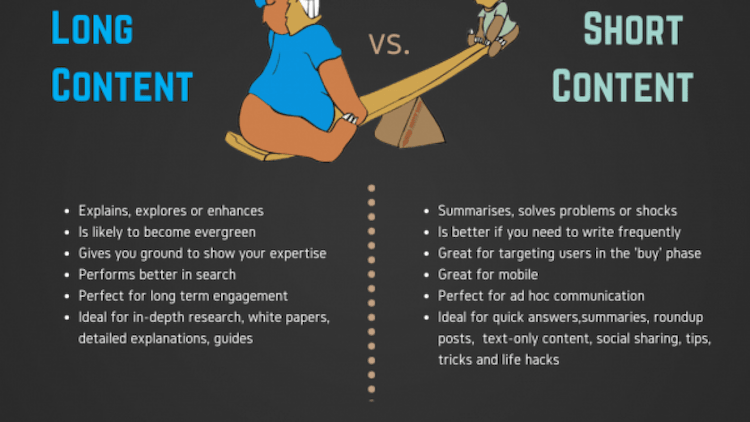
While vertical video and flashy graphics have their place on Instagram, there is still a strong case for regular long-form and horizontal video content. Long-form videos offer deeper insights, richer narratives, and more immersive storytelling experiences, allowing creators to delve into complex topics and engage audiences on a deeper level. Additionally, horizontal video formats provide a more traditional viewing experience, catering to users who prefer to watch content on larger screens or in landscape orientation.

Conclusion:

In conclusion, Instagram’s popularity as a visual-centric platform has reshaped the way we consume video content, ushering in an era of verticality, over-the-top editing, and immersive storytelling. While these trends have revolutionized the digital landscape, there is still a place for regular long-form and horizontal video content, offering creators diverse opportunities to connect with audiences and express their creativity. Ultimately, the key lies in striking a balance between different formats and finding the right platform to showcase your unique voice and vision in the ever-evolving world of social media.