
AI Made Movie Trailers

Attention all movie producers! Are you tired of endlessly wrangling actors, dealing with diva directors, and battling budget constraints? Well, fear not, because the future of filmmaking is here, and it’s called AI-generated movies! Yes, you heard that right. Move over, Spielberg, because the machines are taking over, and they’re armed with algorithms and pixels!

Now, you might be wondering, why should movie producers bother learning how to code? Isn’t that what the tech geeks do in their parents’ basements? Well, think again! In the era of AI-generated movies, coding skills are the new director’s chair. Forget about artistic vision and storytelling prowess; all you need is a knack for Python and a love for debugging.

Imagine the possibilities! No more pesky actors demanding exorbitant salaries or throwing tantrums on set. With AI-generated actors, you can create the perfect cast member with just a few lines of code. Want Tom Cruise’s charm mixed with Meryl Streep’s acting chops? No problem! Just tweak the parameters, and voila, you’ve got yourself a blockbuster superstar.

And let’s not forget about the endless possibilities for plot twists and storylines. With AI algorithms crunching data faster than you can say “action,” you can churn out movie scripts faster than a Hollywood production assistant fetches coffee. Who needs screenwriters when you have neural networks generating plot twists that’ll leave audiences on the edge of their seats?

But wait, there’s more! AI-generated movies aren’t just limited to the big screen. With the rise of streaming platforms and virtual reality, you can create immersive cinematic experiences that’ll make audiences question reality itself. Who needs a green screen when you can create entire worlds from lines of code?

So, to all the movie producers out there, it’s time to dust off those coding textbooks and embrace the future of filmmaking. With AI-generated movies, the only limit is your imagination (and maybe a few syntax errors). Welcome to the brave new world of cinema, where the only thing more unpredictable than the plot twists are the bugs in your code!

Nerdy Stats for Stats Nerds

If Stats Nerds and Video Nuts had a baby…

If you are a stats nerd like me; and work in media, then this website is a treasure trove….It’s called Datareportal.

In addition to being a stats nerd, I’m also a video nut.  In this post I’m going to share a few things that jumped out at me on the digital 2024:  Global Overview Report.  Here is the link if you want to brows for yourself. 


1st thing to note is that roughly two thirds of the world in online, connected with a personal device. Nearly 95% of them are social media users. My guess is that in under developed countries devices and internet connections are shared potentially hiking the percentage to 85-90%.
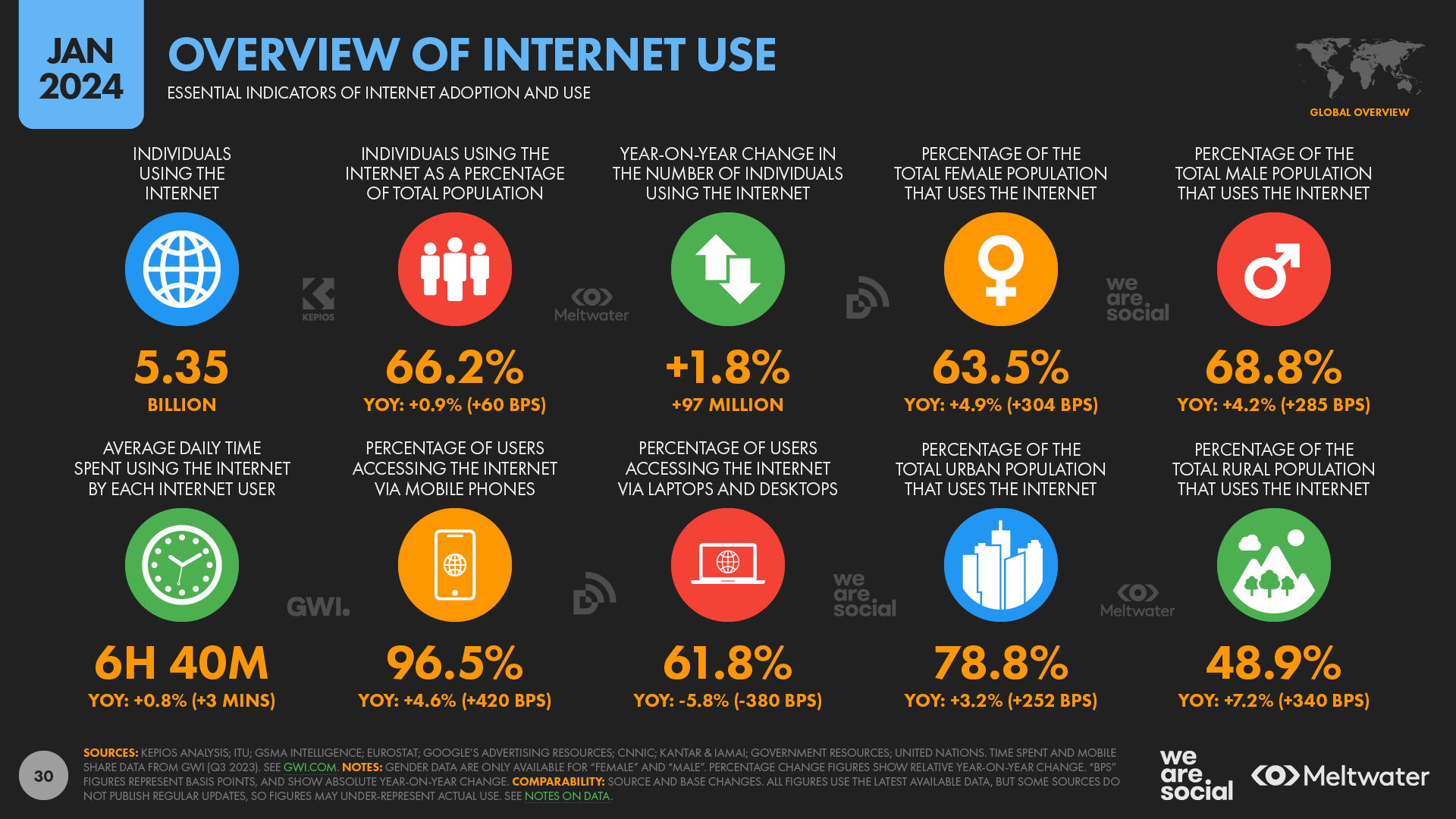
What jumped out at me from this slide was the avearge global amount spend on the internet. Bare in mind, that is for work, apps like Whatsapp, and watching streaming services such as Youtube and Netflix. Taking all in consideration, I’m somewhat supersized it is not higher….No Supersize that the majority are on their phones, but well over half use it on their stationary devices also.
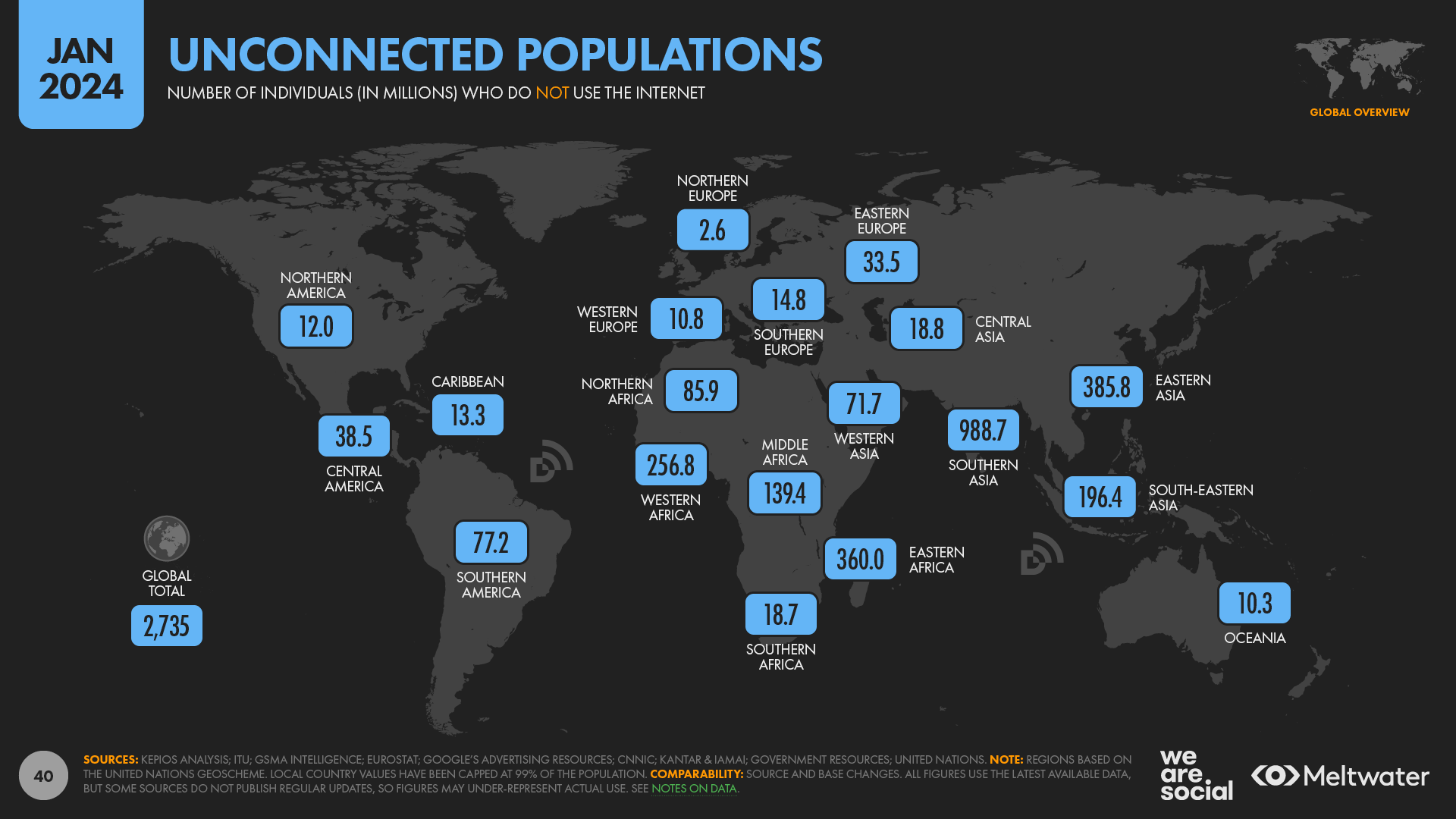
18.7 % of South Africans are not connected. My guess are it’s mostly infants under 2.
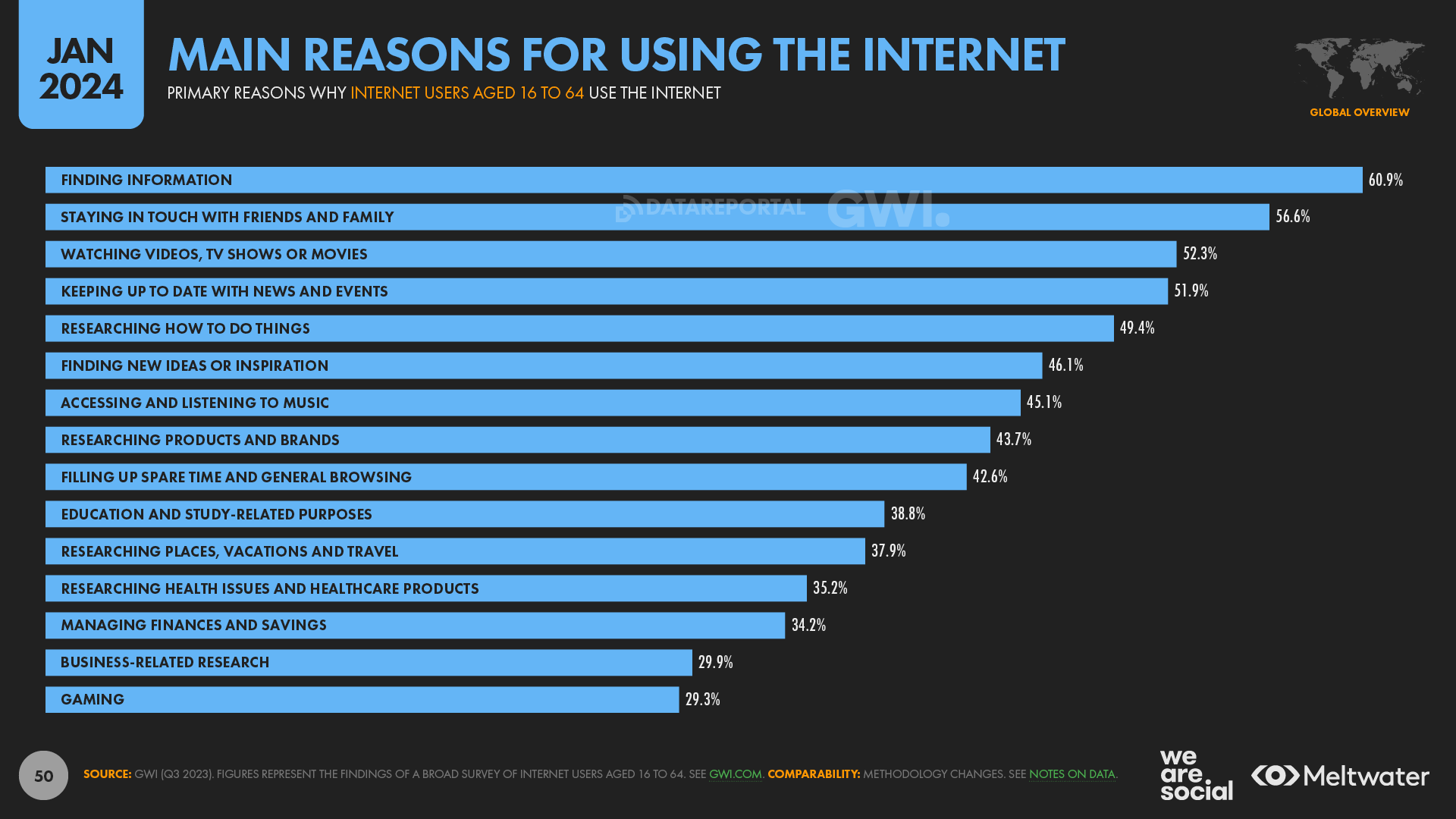
Note that the above slide shows reason and not time. My guess is that time spend on the internet will see a shuffle of what are evident here above.
video production in Cape Town

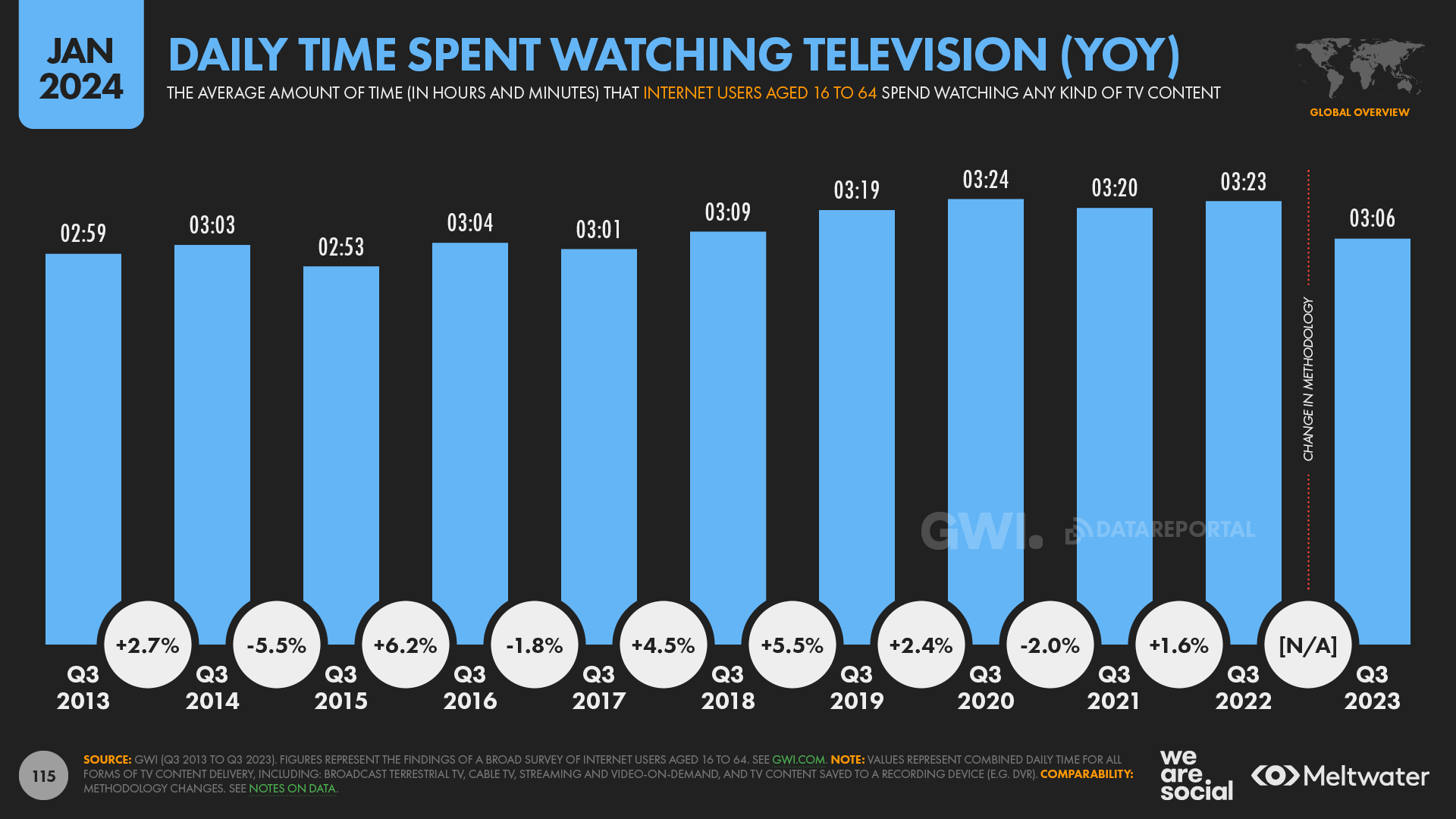
Apparently TV is still a thing. Who know. For how long still?
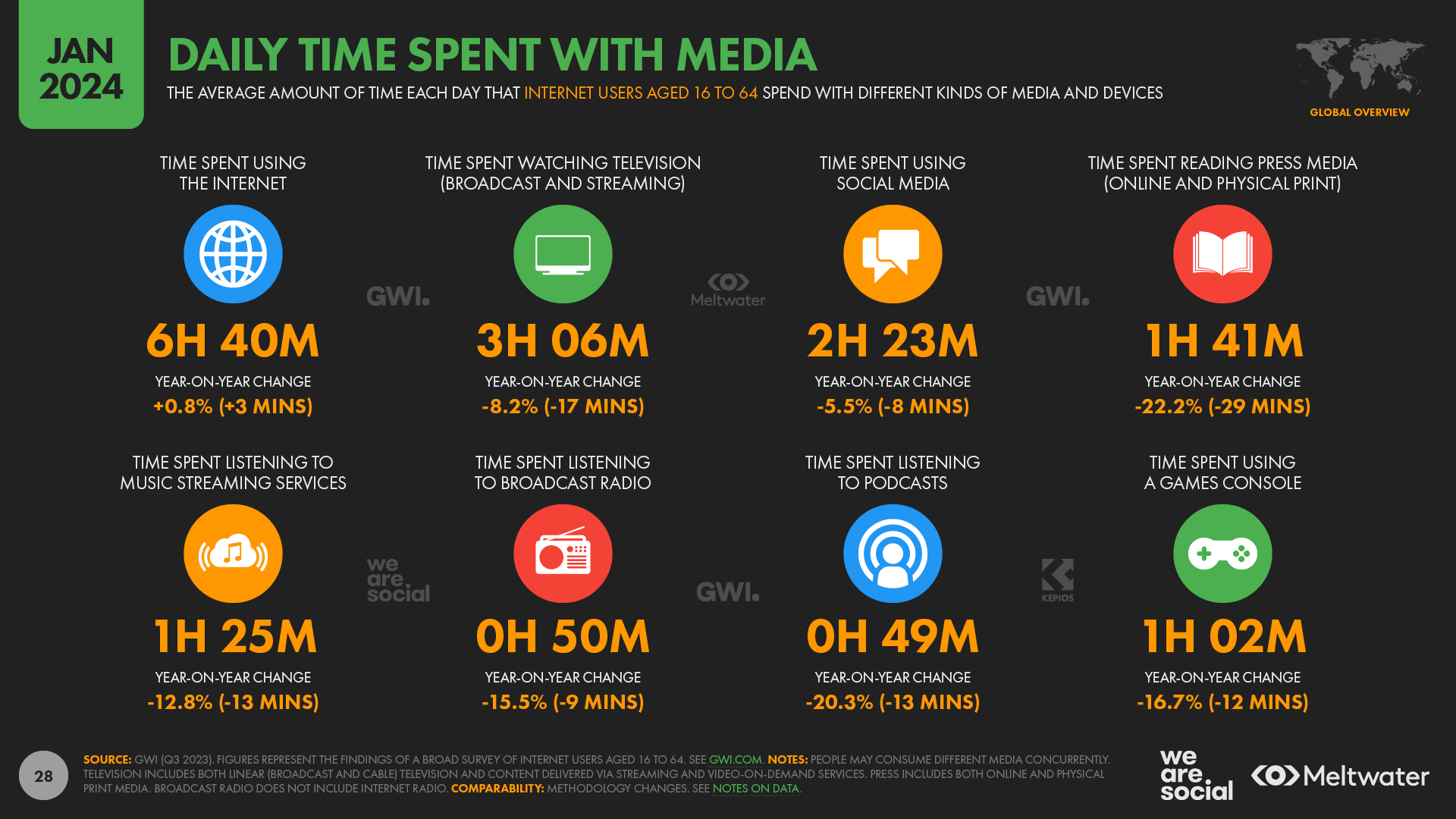
Roughly speaking, just under half of the seven hours average spend online everyday is watching video. Likely, while on Facebook and Instagram you are also spending a large amount of time consuming short video content. Audio only has a respectable slice of the pie, but my thinking that a break from traditional broadcasting will see a shake up in these figures.
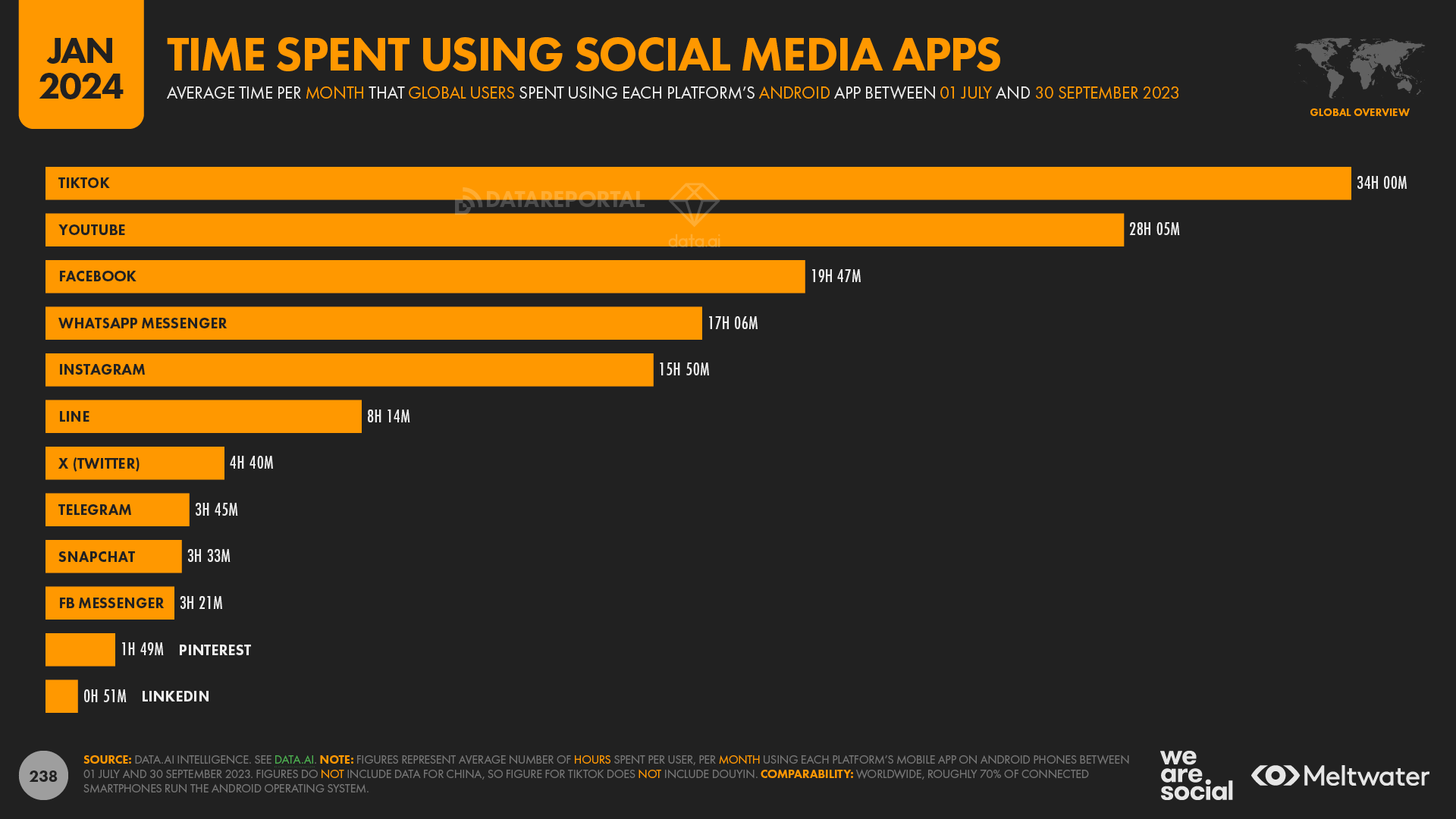
Here we’re getting to the crux of the matter. This is no surprise to parents with kids in the home. The more surprising thing is that add revenue penetration on TikTok has caped out at about 1.6%. I’m waiting to see what percentage YouTube – even though it’s second to TikTok, will slurp up. I predict MUCH MORE
podcast services

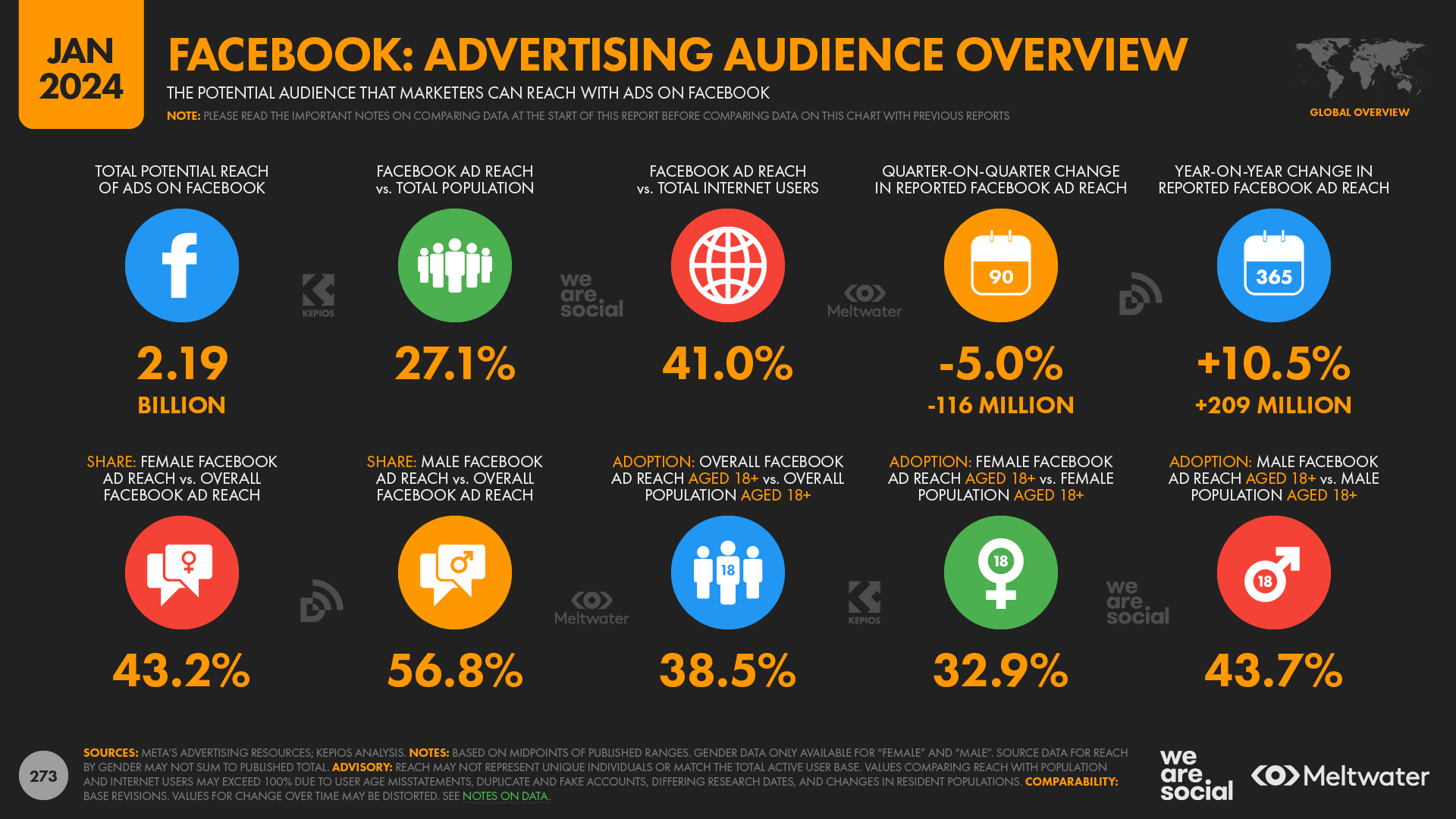
I’d thought I’d say something about Facebook’s add reach. It might be one of the biggest platforms for advertising. But in my trials with Facebook, it generated very low quality leads. Almost none of them was converted into a sale all the while working very hard to present to the prospecting clients. In comparison Google Ads gave a 1000% higher ROI in advertising revenue spent. Jobs coming from Google search was also an easier sale. But that is just me (working in media and video production).
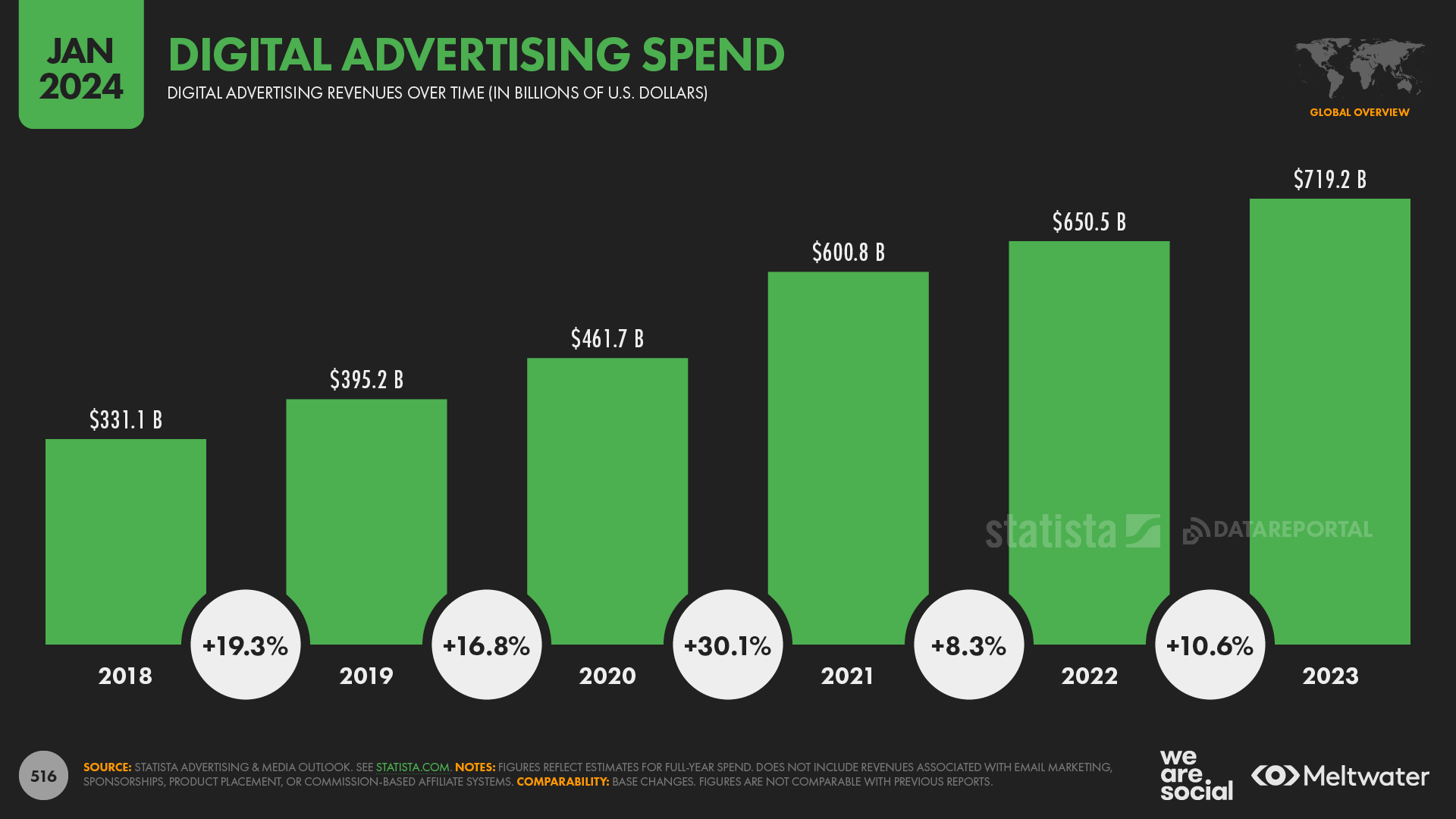
I almost wana say it looks like it’s more or less keeping up with inflation – this slide does not have me very exited.
live streaming

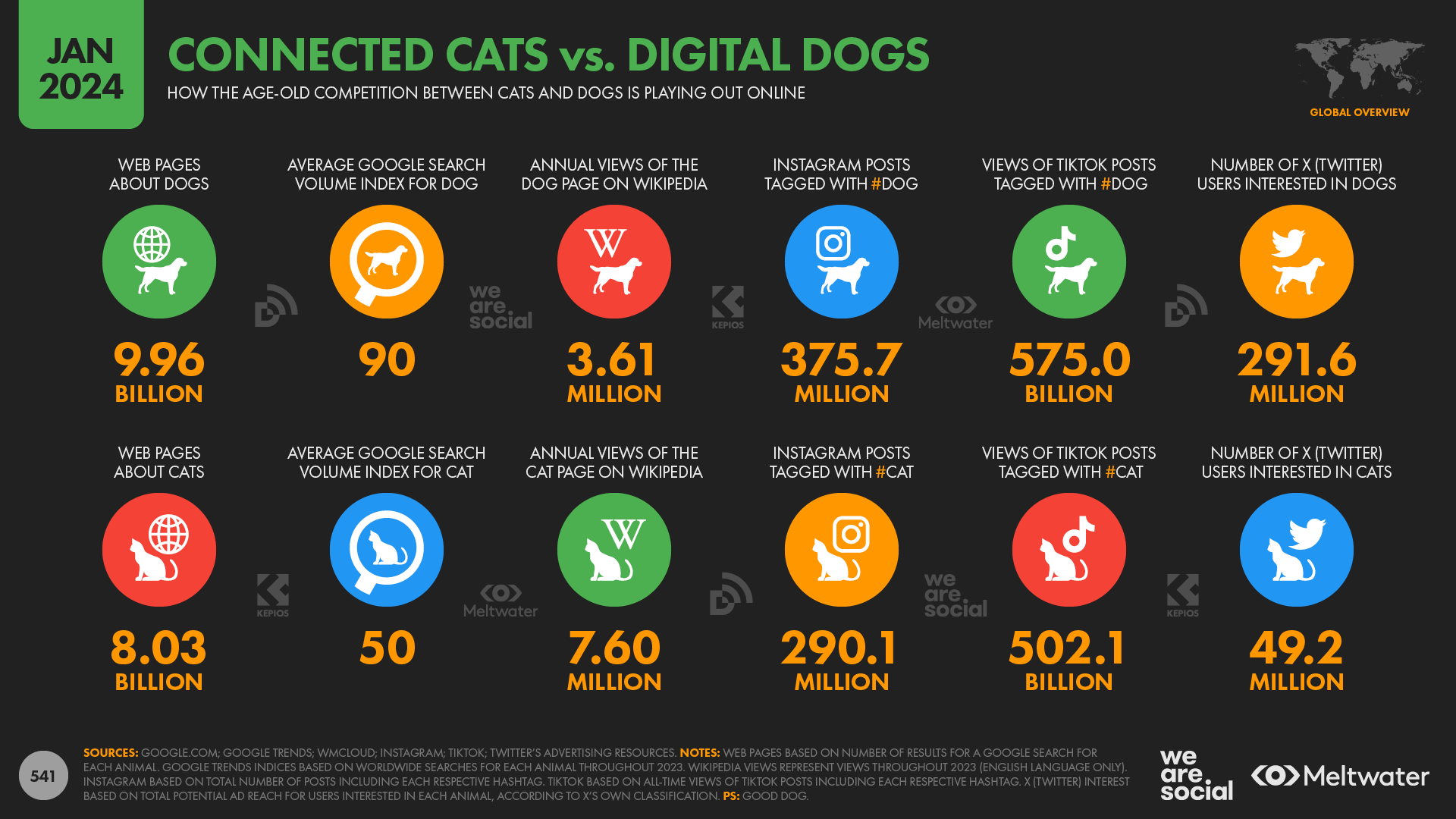
For a little fun. Dogs beat Cats everywhere except on Wikipedia.

Unveiling the Paradigm

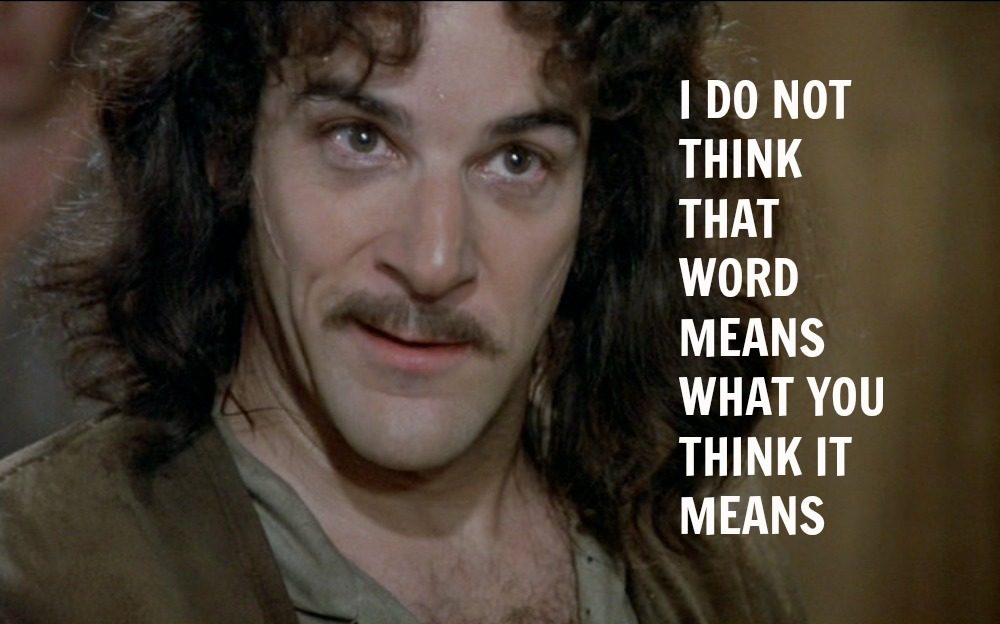
In the realm of digital marketing, the term “paradigm” holds a unique significance, much like an optical illusion that challenges our perceptions. Originally, a paradigm was akin to an optical illusion, where the intended meaning diverged from its perceived interpretation, diluting its impact over time.

video production cape town

Consider those captivating images where one moment you see an elderly woman with a prominent nose, and the next, a young lady adorned in a fur coat. When shared with different individuals, varied interpretations emerge – from dolphins to modern dancers – revealing the fascinating nature of paradigms. What’s intriguing is how understanding the intended meaning enhances our grasp of the surrogate interpretation.

In the realm of digital marketing, we grapple with the concept of signal-to-noise ratio – the proportion of valuable information against the backdrop of irrelevant noise, akin to a subject framed against its surroundings in photography.

Yet, unlike conventional optical illusions, paradigms blur the lines between signal and noise, effortlessly swapping their roles. Just as the dolphins can seamlessly morph into dancers and vice versa, our minds navigate between these interpretations, akin to magnets snapping into alignment. This phenomenon, termed the “paradigm shift,” encapsulates the pivotal moment when our perception transitions between interpretations.

The funny thing is this:
The brain can only recognize one at a time. One shift and noise becomes signal.

But why does this matter in the landscape of digital marketing? Understanding the true essence of paradigms, rooted in philosophical origins, enables us to discern the essence amidst the clutter. It’s akin to deciphering a complex image, where our minds oscillate between clarity and ambiguity based on contextual cues.

digital marketing campeign

In this digital age, where content inundates our screens and attention spans wane, the lesson resonates deeply: context holds as much weight as content. And herein lies the crux of digital marketing – leveraging the power of context to amplify the impact of our content.

Enter video – the cornerstone of modern digital marketing strategies. Video transcends traditional boundaries, captivating audiences with its immersive storytelling and visual allure. It embodies the essence of context, seamlessly integrating into diverse platforms and engaging viewers on a visceral level.

From captivating product demonstrations to compelling brand narratives, video empowers marketers to forge meaningful connections and drive action. It serves as the conduit through which brands navigate the digital landscape, harnessing the potency of sight and sound to leave a lasting impression.

podcast as a service

Why you should care. In essence, video epitomizes the paradigm shift in digital marketing – a dynamic force that transcends conventional boundaries and reshapes our perception of engagement. As we navigate this ever-evolving landscape, let us heed the lesson of paradigms: context is king, and video reigns supreme as the catalyst for digital success.

Subscribe to this blog.